• Bullying Effects

    Bullying Effects

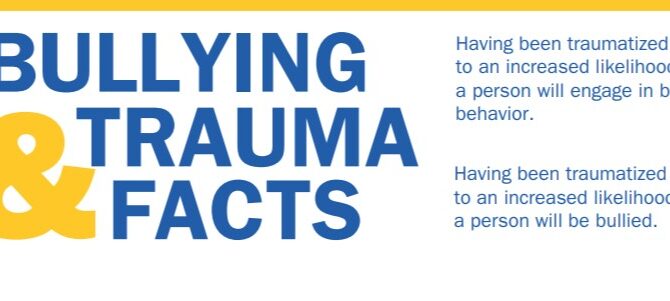
    Bullying can cause serious emotional and physical effects in children, including anxiety, depression, low self-esteem, sleep problems, and even PTSD. It can hurt academic performance and increase risks of self-harm or suicidal thoughts. The impact also affects bystanders, who may feel fear or guilt. Using trauma-informed language and focusing on behaviors—not labels—helps support healing and break the cycle of bullying.

    Read more
  • Heads up: Stop. Think. Connect.

    Heads up: Stop. Think. Connect.

    This resource guide is perfect to share with adolescents who are frequently online and on social media. You will find information about protecting privacy, how to prevent cyberbullying and what to do if you encounter it, what is appropriate to share online and more.
    Read more
  • Fast Fact:  Preventing Bullying

    Fast Fact: Preventing Bullying

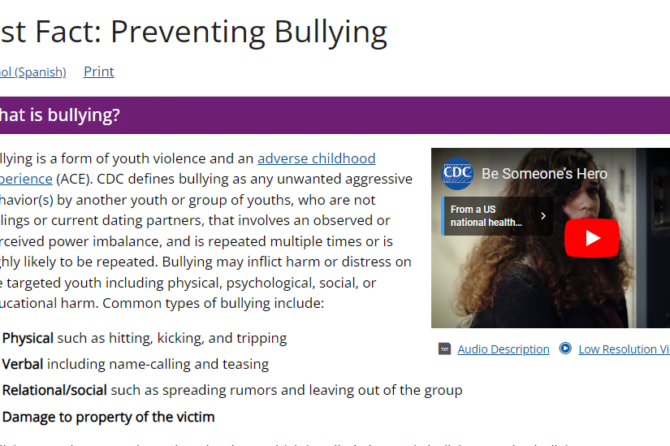
    This website defines bullying and also lists out ways to prevent bullying, including additional resources on prevention and the Be Someone’s Hero short video.

    Read more
  • Cyberbullying:  a resource guide to identify, prevent, and respond.

    Cyberbullying: a resource guide to identify, prevent, and respond.

    This resource provides information on cyberbullying, including obstacles with stopping cyberbullying, and parents, caregivers and school’s roles.

    Read more
  • stopbullying.gov

    stopbullying.gov

    This website provides great resources for parents, caregivers, teachers, and mental health professionals who are looking for some more information about bullying. The website provides information about prevention of bullying, identification of bullying, ways to support and help children/teens become resilient after bullying and more.
    Read more
  • Bullying and Trauma Facts

    Bullying and Trauma Facts

    This is a brief fact sheet providing information about the relationship between bullying and trauma.
    Read more