SAMHSA Homelessness Resources: Youth
| This webpage provides facts and resources about homelessness and youth. It provides information about risk factors, statistics, and the mental health consequences that may result from homelessness. |

| This webpage provides facts and resources about homelessness and youth. It provides information about risk factors, statistics, and the mental health consequences that may result from homelessness. |

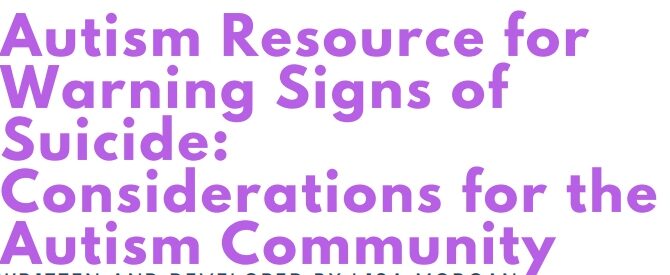
| Autism Spectrum Disorder (ASD) is a neurodevelopmental condition that impacts many aspects of the individual’s life, socialization, perception of others, and their communication. Individuals with ASD are at risk for suicide. It is important to know warning signs for suicide in these individuals because some facets of ASD may be construed. This resource provides notable information for providers and families to help identify potential suicide risk in ASD. |

| This article provides information on strategies for suicide prevention within schools during COVID-19. With increased cases of COVID-19 again, increased rates of suicide may follow. It is important to have strategies within schools for children who may be experiencing mental health challenges during this difficult and unknown time. |

| Children may be witnesses of physical abuse, emotional abuse, or even experience abuse alongside a parent or caregiver. This fact sheet provides answers to frequently asked questions about the affects of domestic violence on children and ways to advocate and support those children. |

| About 1 million to 1.6 million youth experience homelessness in the US in a given year. It is important to know how to interact, support, and provide for these youth as a mental health professional and advocate. Read this fact sheet to find out how homelessness affects youth and ways you can help individuals overcome this challenge. |

| There is a high prevalence rate of trauma among the LGBTQIA+ community. This is a helpful resource guide for providers to learn about the importance of screening for sexual orientation, gender identities, and potentially traumatic experiences. |

This video is a great resource for providers or parents to help a grieving child overcome the death of a parent.
Read more
This fact sheet presents information to providers about the impact of trauma on youth with intellectual and developmental disabilities. It details screening and assessment techniques, diagnostic considerations, and treatment options.
Read more