
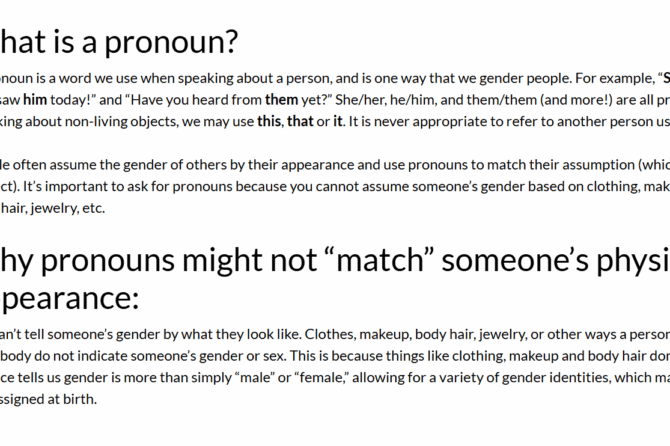
Teaching Kids About Gender Pronouns
| Here are some guidelines to help you talk to children to help them understand what pronouns are, why they’re important, and how to use and respect them in an inclusive way. |
| Here are some guidelines to help you talk to children to help them understand what pronouns are, why they’re important, and how to use and respect them in an inclusive way. |
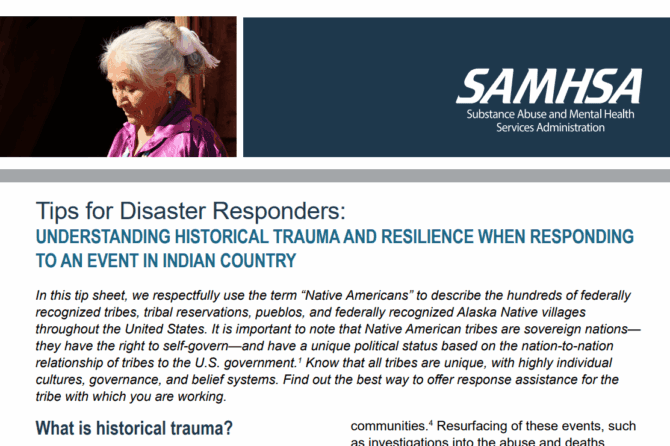
| This tip sheet provides guidance for working with Native Americans in their community. You will find information about historical trauma, how to respond to a disaster and/or traumatic event, and an additional resource list for more information. |
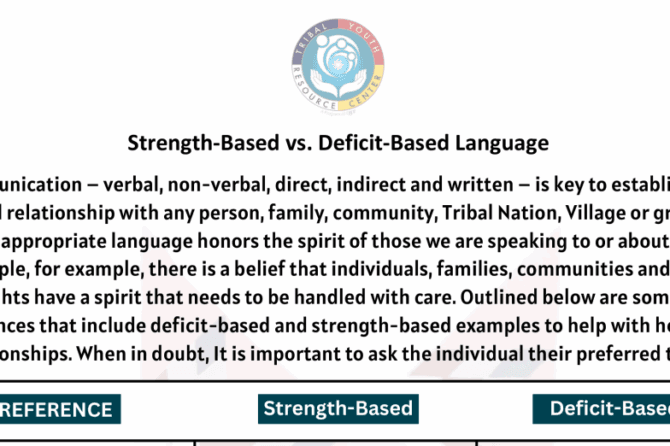
| This resource provides information on appropriate and respectful language to use when working with an indigenous population. |
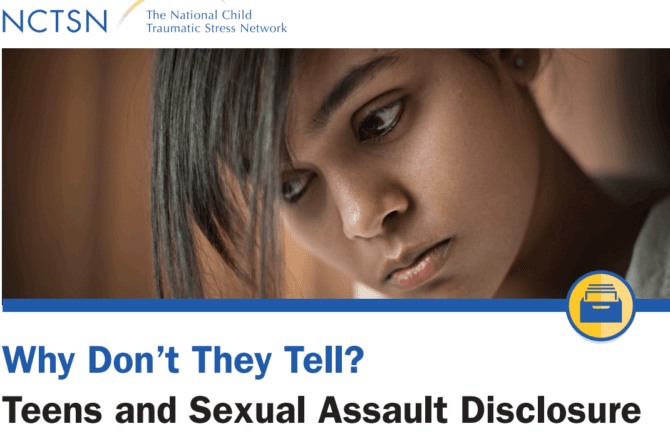
| This resource from NCTSN provides information into teens and sexual assault disclosures. Often times, teens don’t want to disclose due to shame, emotional pain, fear of being blamed, and more. Find out what you can do to help in this resource. |
Everything you need to know about Adverse Childhood Experiences (ACEs)! This overview fact sheet provides information about what ACEs are, research and statistics about ACEs and the potential affects those who have ACEs may experience.
Read more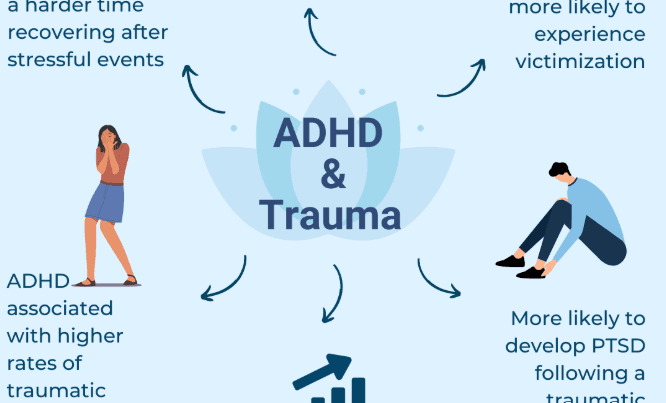
This fact sheet is about the overlap of Attention Deficit/Hyperactivity Disorder and Trauma.
Read more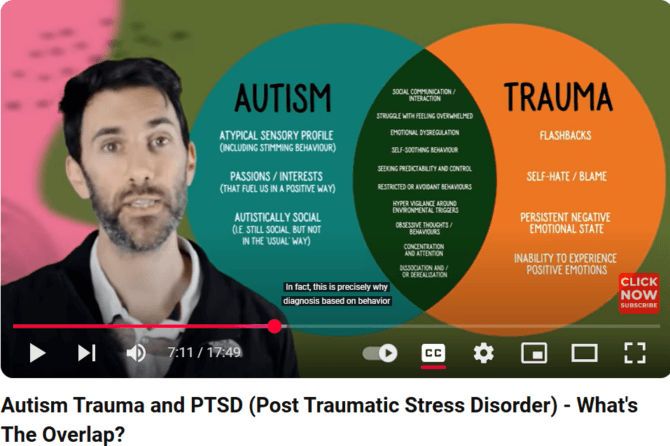
There is often an overlap between autism and PTSD. This resource provides with information on what that overlap can look like.
Read more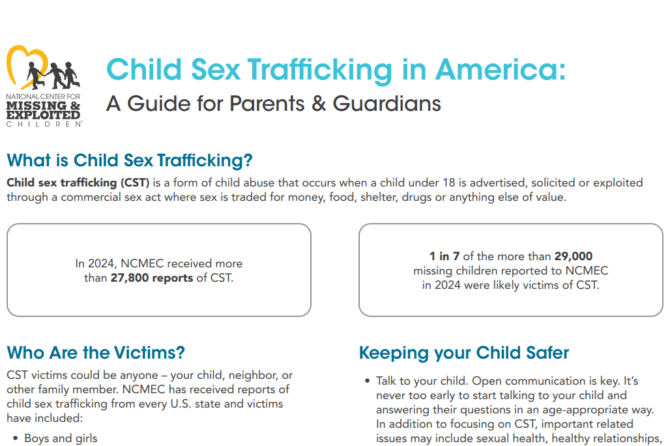
This fact sheet is about child sex trafficking in American for parents, caregivers, and guardians of youth.
Read more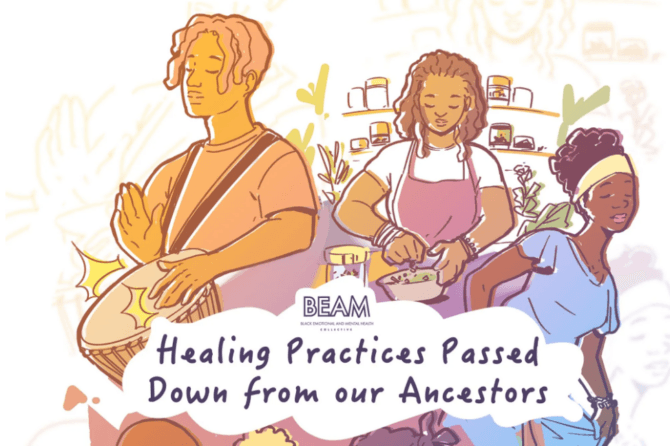
This resource is a quick overview of tools and methods from African American healing practices.
Read more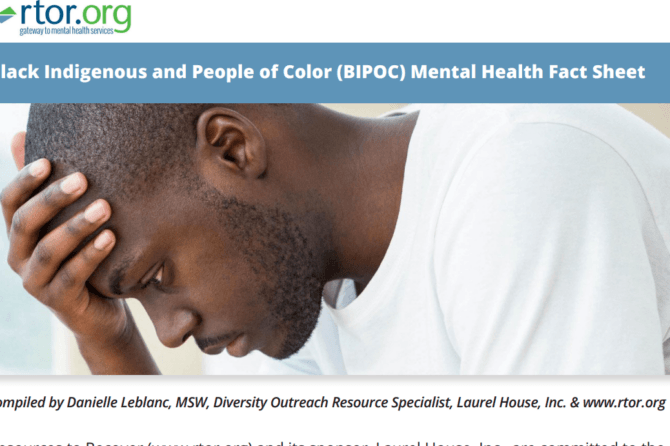
| This fact sheet discusses the statistics of BIPOC mental health and their health inequities in the United States. Knowing this information can bring awareness about barriers these individuals face so that we can help provide ways to break down these barriers and increase access to mental health services. |