• Talking to Children Under 12 About Suicide

    Talking to Children Under 12 About Suicide

    Engaging children in open, age-appropriate conversations about suicide is a crucial component of prevention. While some may fear that discussing the topic could introduce or reinforce harmful ideas, research shows that providing accurate information, emotional support, and a safe space to talk actually reduces risk. Education empowers children to understand mental health, recognize warning signs in themselves or others, and seek help when needed.

    Read more
  • Bullying Effects

    Bullying Effects

    Bullying can cause serious emotional and physical effects in children, including anxiety, depression, low self-esteem, sleep problems, and even PTSD. It can hurt academic performance and increase risks of self-harm or suicidal thoughts. The impact also affects bystanders, who may feel fear or guilt. Using trauma-informed language and focusing on behaviors—not labels—helps support healing and break the cycle of bullying.

    Read more
  • Suicide Safe Mobile App

    Suicide Safe Mobile App

    This free app by SAMHSA helps health care providers apply the SAFE‑T (Suicide Assessment Five‑Step Evaluation & Triage) method. It offers interactive case studies, conversation starters, crisis‑line links, and a treatment locator to support suicide prevention in clinical settings

    Read more
  • 988 Lifeline – Youth

    988 Lifeline – Youth

    This 988 Lifeline resource offers confidential, 24/7 support specifically for young people (ages 10–24). It emphasizes self-care tips like asking for help, creating a safety plan, and managing stress, along with tools for friends and family to recognize warning signs and provide empathetic support

    Read more
  • Guide to Safety Planning with Children

    Guide to Safety Planning with Children

    This resource from The Wish Centre provides simple, practical steps for creating safety plans with children affected by domestic abuse. It helps adults and children work together to identify safe spaces, trusted adults, and ways to stay safe during a crisis.

    Read more
  • Supporting Your Children Throughout Deployment

    Supporting Your Children Throughout Deployment

    This fact sheet from the National Child Traumatic Stress Network provides military parents and caregivers with practical tips to help children cope before, during, and after deployment. It offers age-appropriate strategies to maintain connection, manage stress, and support emotional well-being throughout the deployment cycle.

    Read more
  • Understanding Stress vs. Trauma

    Understanding Stress vs. Trauma

    This brief guide from the National Child Traumatic Stress Network explains the difference between stress and trauma in children. It outlines how typical stress responses differ from trauma reactions in terms of cause, duration, and impact. The resource also offers practical tips for recognizing when a child may need additional support and how to respond appropriately.

    Read more
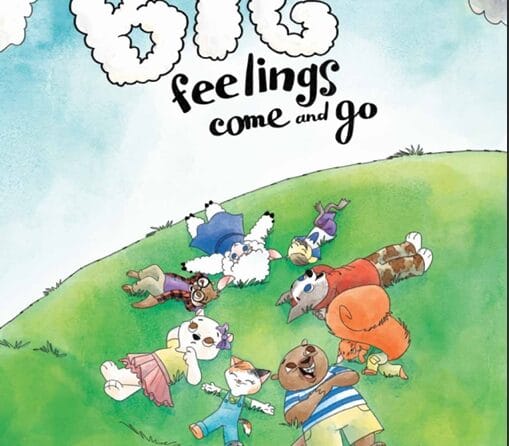
  • Big Feelings Come and Go

    Big Feelings Come and Go

    The Canadian Centre for Child Protection and New Directions’ free book, Big Feelings Come and Go, serves to help children identify and manage overwhelming emotions after stress or trauma.
    Read more
  • Obstacles Latine Children Face and How to Help

    Obstacles Latine Children Face and How to Help

    The Kids Mental Health Foundation’s article, “How to Help Latine Children Face Mental Health Obstacles”, provides valuable insights for parents and caregivers to support the mental well-being of Latine children.
    Read more
  • How to Talk to Your Kids About Gender Identity

    How to Talk to Your Kids About Gender Identity

    The following video provides guidance for parents, educators, and caregivers on discussing gender identity with children in a respectful and age-appropriate manner. It emphasizes the importance of fostering an inclusive environment where children feel safe to express themselves.
    Read more